Spring in the St. Louis area doesn’t arrive all at once. It shows up in waves. A warm stretch, then rain, then mud, then a stretch of really nice days that get everyone outside again.
For pets, that shift changes things pretty quickly.
Coats start to loosen up. Paws pick up more than they used to. Activity levels climb. And routines that worked fine in winter suddenly need a little more attention.
This time of year isn’t about doing everything differently. It’s about noticing what’s changing and adjusting just enough to keep your pet comfortable as we move into spring and early summer.
What Actually Changes for Pets in Spring
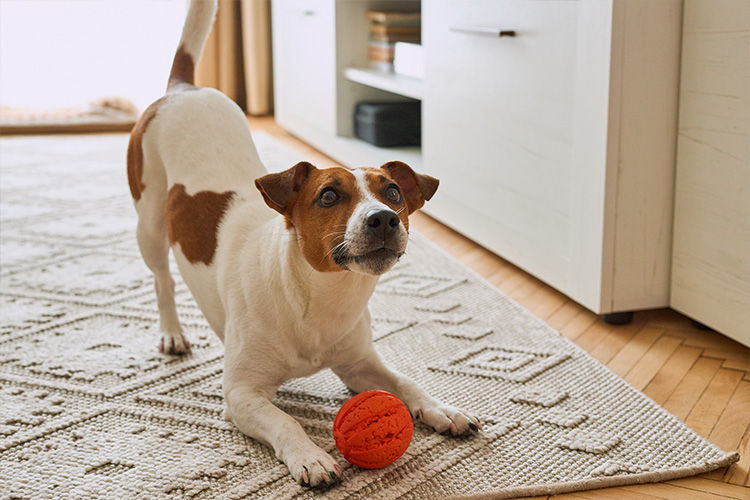
As the days get longer and the weather starts to turn, most dogs experience a few predictable shifts:
- They spend more time outside
- Their coats begin to shed more noticeably
- Their nails may grow faster or wear differently
- They come into contact with more moisture, dirt, and debris
None of this is surprising, but it does mean grooming becomes more of a regular part of keeping them comfortable day to day.
In a place like Maplewood, where spring can mean anything from dry sidewalks to muddy yards in the same week, that upkeep matters.
Shedding Picks Up Fast
One of the first things pet parents notice is the shedding.
Winter coats don’t just disappear overnight. They loosen gradually, and without some help, that loose fur tends to stick around longer than anyone wants.
Brushing at home can go a long way, especially during heavier shedding weeks. It helps remove loose hair before it ends up on furniture, clothing, or in your dog’s mouth while they groom themselves.
Brushing is one piece of the puzzle, but nutrition plays a role, too. A balanced, high-quality diet can support skin and coat health, which may help reduce excessive shedding over time. If you’ve noticed heavier shedding than usual, it can be worth taking a look at both grooming habits and what’s in the bowl.
For dogs with thicker or double coats, a de-shedding treatment can help remove that excess coat more evenly. It’s one of the easiest ways to get ahead of shedding instead of constantly reacting to it.
Mud, Moisture, and Everything That Comes With It
Spring in St. Louis usually means muddy paws.
Between rain, thawing ground, and more time outside, dogs track in more than they did all winter. That moisture can sit in the coat, especially around the paws and undercarriage, and lead to tangles or irritation if it’s not managed.
A few simple habits make a difference:
- Wiping paws when coming inside
- Keeping fur trimmed around the feet
- Using a gentle shampoo when needed
For many dogs, more frequent baths or quick cleanups become part of the routine this time of year. Using gentle, all-natural shampoos helps keep the coat clean without drying out the skin.
Nail Care Becomes More Noticeable
As activity increases, nail care tends to come up more often.
Some dogs naturally wear their nails down depending on where they walk, but others still need regular trims to stay comfortable.
Long nails can change how a dog stands and moves. Over time, that can put extra pressure on joints or make simple movement less comfortable.
Keeping nails at an appropriate length helps support natural movement, especially as dogs start running, playing, and spending more time outside again.
If trimming nails at home isn’t easy, many pet parents stop in for quick trims when groomers are available. It’s a small adjustment that makes a noticeable difference.
Keeping up with nail trims on a regular schedule also makes each trim easier over time, both for you and your pet.
Coat Maintenance Depends on the Dog
Not every dog needs the same approach in spring.
Some need more frequent brushing. Others benefit from a trim to keep things manageable. Some just need a good bath and a reset.
The key is paying attention to what your dog’s coat is doing right now, not what it looked like a few months ago.
At The Healthy Pet House, grooming is approached with that in mind. It’s not about a one-size-fits-all schedule. It’s about helping each dog stay comfortable based on their coat, activity level, and environment.
For many long-haired and double-coated dogs, a consistent grooming schedule helps prevent buildup before it starts. A common routine is grooming every 4 to 6 weeks, with many pet parents alternating between a bath and brush appointment and a full groom. This kind of schedule helps keep the coat manageable throughout the season rather than letting it get ahead of you.
The Small Add-Ons That Help
Spring is also a good time to include a few extra details that don’t always get top priority.
Things like:
- Teeth brushing
- De-shedding treatments
- Coat-specific care
These can be added during grooming appointments and help round out your pet’s routine without requiring a major change.
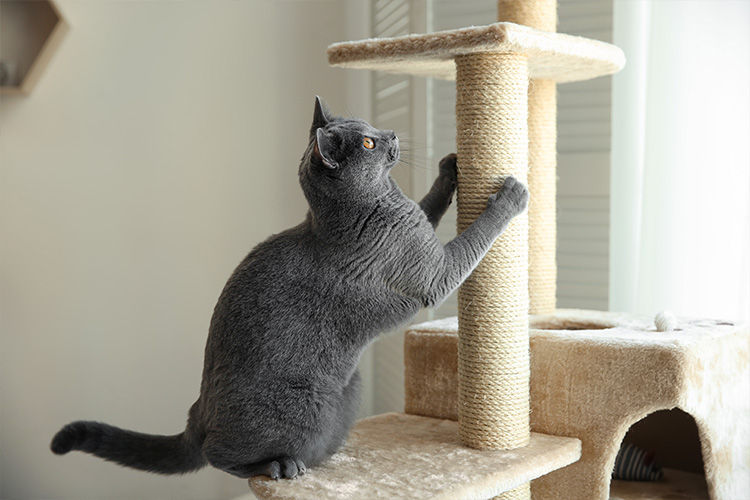
What Cat Owners Should Know
Cats may not be heading out into the yard the same way dogs are, but they still feel the seasonal shift.
As daylight increases, many cats:
- Shed more
- Groom themselves more frequently
- Become more active or alert
Regular brushing can help remove loose fur and reduce hairballs. Wipes or light grooming sprays can help with coat maintenance, especially for cats that don’t tolerate brushing well.
Keeping nails trimmed is just as important for cats, especially indoor cats who may not wear them down naturally.
Timing Matters More Than You Think
Every spring, one pattern repeats itself.
As soon as the weather starts to feel nice, grooming schedules fill up quickly.
By the time shedding, mud, or coat issues become frustrating, it can be harder to find an appointment right away.
Booking ahead helps you stay on top of things instead of playing catch-up later in the season.
A Simple Way to Think About Spring Grooming
You don’t need a complicated plan. Just a few consistent habits:
- Brush more often during shedding weeks
- Keep nails trimmed
- Clean paws and coat after messy days
- Schedule grooming before things build up
That’s usually enough to keep your pet comfortable as the season shifts.
Spring Grooming FAQs
How often should I groom my dog in the spring?
Most dogs benefit from more frequent grooming in the spring due to shedding and increased outdoor activity. Brushing at home can be done several times a week, while professional grooming schedules vary depending on coat type and lifestyle. If you’re unsure, it’s a good idea to ask your groomer what works best for your specific dog.
Do dogs shed more in the spring?
Yes, many dogs shed more in the spring as they transition out of their winter coat. This is a natural process, but regular brushing and de-shedding support can help manage loose fur and keep your dog more comfortable.
When should I start spring grooming?
In the St. Louis area, it’s best to start thinking about spring grooming as soon as the weather begins to shift. Booking early helps you stay ahead of shedding, mud, and coat buildup before it becomes harder to manage.
How do I keep my dog clean during muddy spring weather?
Simple habits can help a lot during muddy season. Wiping paws after walks, keeping fur trimmed around the feet, and using a gentle shampoo when needed can all reduce buildup and keep your dog more comfortable.
How often should dogs get their nails trimmed?
Nail trimming frequency depends on the dog, but many need trims every few weeks. If you can hear nails clicking on the floor or notice changes in how your dog walks, it may be time for a trim.
Do indoor cats need grooming in the spring?
Yes, even indoor cats can shed more as daylight increases. Regular brushing helps remove loose fur and can reduce hairballs. Keeping nails trimmed is also important for comfort and safety.
Should I change my pet’s routine in the spring?
Most routines don’t need a full reset, but small adjustments can help. You may need to brush more often, monitor coat changes, or adjust activity levels as the weather warms. If you’re unsure, stop in and talk with a local pet care expert who can help you think through what makes sense for your pet.
A Local Approach to Pet Care
Spring in the St. Louis area is unpredictable, but your pet’s routine doesn’t have to be.
At The Healthy Pet House in Maplewood, we work with pet parents every day who are navigating these same seasonal changes. Whether it’s coat care, nail trims, or figuring out a grooming schedule that actually works, we’re here to help you keep things simple and manageable.
A little consistency now can prevent bigger issues later in the season, especially as activity levels continue to increase.
If you’re not sure what your pet needs this spring, stop in and talk with us. We’ll help you figure it out.