A scratching post can look perfect in the store and still receive absolutely no attention once it reaches your living room.
Meanwhile, your cat may remain completely devoted to the corner of the sofa.
That does not necessarily mean your cat is being stubborn. Cats have clear preferences about where, how, and what they scratch. The material matters, but so do the height, orientation, stability, and location of the scratching surface.
Scratching is a normal and necessary feline behavior. Cats scratch to stretch their bodies, maintain their claws, leave visual and scent markings, and release energy. The goal is not to stop the behavior. It is to give your cat an appropriate option that feels just as satisfying as the furniture.
At The Healthy Pet House in Maplewood, we help St. Louis-area cat parents compare scratching surfaces, enrichment toys, grooming products, and other everyday essentials. Finding the right scratcher may take a little experimentation, but understanding what your cat is looking for makes the process much easier.
Why Cats Need to Scratch
Scratching serves several purposes at once.
When a cat pulls their claws across a surface, they help loosen and remove the worn outer layers of the claws. The movement also allows them to stretch their legs, shoulders, back, and paws.
Scratching is also a form of communication. Cats have scent glands in their paws, so scratching leaves behind both a visible mark and a scent marker. This helps explain why cats often choose prominent areas rather than a quiet scratcher hidden in an unused room.
Your cat may be especially likely to scratch:
- After waking up
- During energetic play
- Near sleeping areas
- Around entrances and shared spaces
- When excited or overstimulated
- In places where they already feel comfortable
Because scratching is instinctive, punishment is unlikely to solve the problem. Providing a surface that matches your cat’s natural preferences is much more effective.
Start With Orientation: Vertical or Horizontal?
One of the first things to notice is whether your cat prefers scratching vertically or horizontally.
Vertical scratching
Cats that scratch the sides of sofas, door frames, walls, or chair legs are usually showing a preference for vertical surfaces.
A good vertical scratching post should allow your cat to stretch upward without running out of room. If the post is too short, your cat may not be able to fully extend their body, making the taller furniture nearby more appealing.
Stability is equally important. A post that shifts, tips, or wobbles can feel unsafe. Many cats will abandon an unstable scratcher after one attempt.
Look for a vertical post that is:
- Tall enough for a full-body stretch
- Firmly attached to a wide or weighted base
- Covered in a texture your cat enjoys
- Positioned where your cat already spends time
Horizontal scratching
Cats that scratch rugs, carpet, floor mats, or the seats of furniture may prefer a horizontal scratcher.
Flat cardboard scratchers are a popular option, but some cats prefer low-profile scratching pads made from sisal or other textured materials. A slightly angled scratcher can also work well for cats that prefer something between fully vertical and completely flat.
Many homes benefit from offering both orientations. Your cat may use a vertical post after a nap and a horizontal scratcher during play, depending on the moment.
Compare Common Scratching Materials
There is no single best material for every cat. The right choice is the one your cat will actually use consistently.
Corrugated cardboard
Cardboard scratchers are lightweight, affordable, and satisfying for many cats. The material tears slightly under the claws, giving cats immediate feedback as they scratch.
Cardboard is available in flat pads, ramps, loungers, and more structured shapes. It can be a good starting point for cats that scratch horizontally or enjoy lounging on their scratchers.
The main drawback is that cardboard wears down and creates debris. That is not necessarily a problem, but it does mean the scratcher will need to be replaced once the surface becomes compressed or heavily shredded.
Sisal fabric
Sisal fabric offers a firm, durable scratching surface. It tends to provide more resistance than cardboard without catching the claws as easily as some looped materials.
It is commonly used on vertical posts and can be a good choice for enthusiastic scratchers. Because it holds up well, sisal may also be practical in multi-cat homes or for cats that scratch frequently.
Sisal rope
Sisal rope is another common option, especially on traditional scratching posts. Some cats enjoy the texture, while others prefer the flatter feel of woven sisal fabric.
As rope wears, it may begin to loosen or separate from the post. Check it regularly and replace the scratcher or repair it safely when the rope becomes frayed.
Carpet
Some cats are drawn to carpeted scratchers because the texture feels familiar. However, carpet can be confusing if you are also trying to discourage scratching on household carpeting.
Carpet loops may also catch a cat’s claws, depending on the material. If your cat already scratches rugs, a carpeted post may work, but cardboard or sisal may create a clearer distinction between approved scratching areas and the flooring.
Wood and natural textures
Some cats enjoy scratching unfinished wood, bark-like textures, or natural branches. These surfaces can provide firm resistance and may appeal to cats that ignore softer materials.
Any natural wood option should be stable, smooth enough to avoid splinters, and safe for indoor use.
Placement Can Matter as Much as Material
A high-quality scratching post may go unused simply because it is in the wrong place.
Cats often scratch in socially important areas. Placing the scratcher in a back room where nobody spends time may make it less appealing than the sofa in the center of the household.
Good locations include:
- Near the furniture your cat already scratches
- Beside a favorite sleeping area
- Near a window or cat tree
- In a frequently used family room
- Close to an entryway
- In more than one area of a multi-level home
If your cat scratches after waking up, place a scratcher near their bed or favorite resting spot. If they target one particular corner of the sofa, position a post directly beside it rather than across the room.
Once your cat begins using the new surface consistently, you can gradually move it a short distance if needed. Moving it too far or too quickly may send the cat back to the original location.
Make the Scratcher More Appealing
Some cats immediately understand what a new scratching post is for. Others need encouragement.
Try:
- Sprinkling catnip or silvervine spray on or near the scratcher
- Playing with a wand toy around the surface
- Placing treats nearby
- Praising or rewarding your cat after they use it
- Positioning it where scratching already happens
Avoid physically placing your cat’s paws on the scratcher and dragging them across it. Many cats find that stressful, and it can create a negative association with the new surface.
The goal is to make the appropriate scratcher easy to find, satisfying to use, and connected to positive experiences.
Redirect Furniture Scratching Without Punishment
If your cat is scratching furniture, cover or block the targeted area temporarily while providing a better option beside it.
Depending on the surface, you might use:
- Furniture guards
- Double-sided deterrent tape made for pet households
- A protective throw or cover
- A scratching panel placed directly over the preferred area
At the same time, reward your cat for using the approved surface. Simply blocking the furniture without providing an alternative does not address the need behind the behavior.
Consistency matters. Every member of the household should respond the same way rather than allowing scratching sometimes and discouraging it at other times.
Multi-Cat Homes Need Multiple Options
One scratching post may not be enough for a home with several cats.
Because scratching is also a marking behavior, cats may prefer separate resources in different parts of the home. Asking multiple cats to share one post in a single location can create competition or cause a more cautious cat to avoid it entirely.
Offer different:
- Locations
- Heights
- Materials
- Orientations
This gives each cat the chance to choose what feels comfortable without having to compete for access.
Consider Your Cat’s Age and Mobility
Kittens, adult cats, and seniors may have different scratching needs.
Kittens often enjoy lightweight cardboard scratchers, small angled pads, and posts incorporated into play areas. They may also benefit from having several appropriate surfaces available while they learn what belongs to them and what does not.
Active adult cats may prefer tall, sturdy posts that support a full stretch.
Senior cats may benefit from horizontal or gently angled scratchers that do not require as much reaching or balancing. A cat experiencing stiffness may stop using a tall post even if it was once a favorite.
If your cat suddenly changes scratching habits, avoids climbing, or seems uncomfortable while moving, contact your veterinarian. Behavioral changes can sometimes reflect discomfort rather than a simple change in preference.
Scratching Does Not Replace Nail Trims
Regular scratching helps cats maintain their claws, but it does not always keep nails at a comfortable length.
Indoor cats may still develop nails that become sharp, overgrown, or prone to snagging on carpet and bedding. Older cats may also scratch less frequently or have difficulty maintaining their claws without help.
Check your cat’s nails regularly. Signs that a trim may be needed include:
- Frequent snagging on fabric
- Nails that appear long or sharply curved
- Difficulty retracting the claws
- Increased sensitivity around the paws
- Nails approaching the paw pad
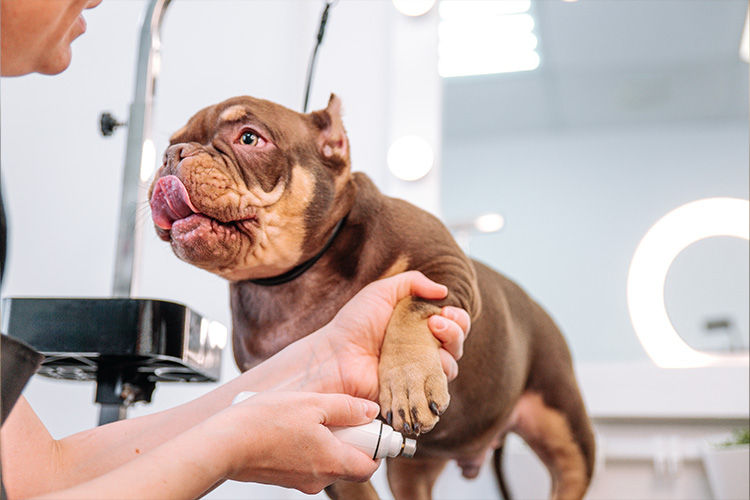
The Healthy Pet House offers walk-in nail trims for cats when groomers are available. Calling ahead is recommended so our team can confirm availability before you visit.
Replace Scratchers Before They Stop Working
A heavily used scratcher is a good sign. It means your cat likes it.
However, a surface that has become flattened, unstable, or severely frayed may no longer provide the same resistance. Check scratchers regularly and replace them when they can no longer be used safely or comfortably.
You do not necessarily need to discard a favorite scratcher at the first sign of wear. Cats often prefer familiar objects with their own scent. Replace it when the structure becomes unstable, the material begins catching claws, or there is no longer enough usable surface.
Cat Scratching FAQs
Why does my cat scratch the furniture when a scratching post is nearby?
The post may be too short, unstable, made from an unappealing material, or placed in the wrong location. Try matching the orientation and texture of the furniture your cat already prefers.
Is cardboard or sisal better for cats?
Both can be good choices. Cardboard is often popular with horizontal scratchers, while sisal works well for sturdy vertical posts. Many cats benefit from having access to both.
How tall should a cat scratching post be?
A vertical post should be tall enough for your cat to stretch their body fully upward. It should also have a stable base that does not move or tip during use.
Where should I put a cat scratching post?
Place it near an area your cat already scratches, sleeps, plays, or spends time with the family. Scratching posts are often ignored when they are hidden in low-traffic rooms.
Can catnip encourage a cat to use a scratching post?
Catnip may help some cats develop interest in a new scratcher. Silvervine sprays, toys, treats, and interactive play around the surface may also help. Not every cat responds to catnip.
How many scratching posts do I need?
That depends on the size of your home and the number of cats. Offering multiple scratching surfaces in different locations is usually more effective than relying on one post.
Will trimming my cat’s nails stop furniture scratching?
No. Nail trims help maintain comfort and reduce snagging, but scratching is a natural behavior that serves several physical and communication purposes. Cats still need appropriate scratching surfaces.
Find the Right Scratching Surface in Maplewood
Choosing a scratching surface is not just about picking the tallest post or the most elaborate cat tree. It is about matching your cat’s natural habits.
Pay attention to whether your cat scratches vertically or horizontally, which materials they seek out, where the behavior happens, and whether the surface feels stable enough to use confidently.
At The Healthy Pet House in Maplewood, we carry scratching surfaces, catnip products, enrichment toys, treats, grooming tools, and other products to help indoor cats stay active and comfortable.
Stop in and talk with our team. We can help you compare different styles and find an option that fits your cat’s preferences, your available space, and your home.
Because pets are family too.