Most pet parents eventually notice overgrown nails. You hear them clicking across the floor, snagging on blankets, or scratching against the sidewalk during walks.
What’s easier to miss is how nail length can affect the way a pet actually moves and feels day to day.
Nail care is often treated like a cosmetic part of grooming, but it plays a much bigger role than that. For dogs especially, nail length can influence posture, movement, traction, and overall comfort. Over time, nails that are too long can start changing the way a dog stands and walks, sometimes gradually enough that it goes unnoticed at first.
Here in the St. Louis area, where spring and summer usually mean more walks, park visits, and outdoor activity, nail care becomes even more important. More movement puts more pressure on the paws and joints, and nails that are overdue for a trim tend to become more noticeable quickly.
At The Healthy Pet House in Maplewood, nail trims are among the most common services pet parents ask about, especially during seasonal transitions when routines start to change again.
Here’s why nail health matters more than many people realize and what you can do to help keep your pet comfortable.
What Happens When Nails Get Too Long
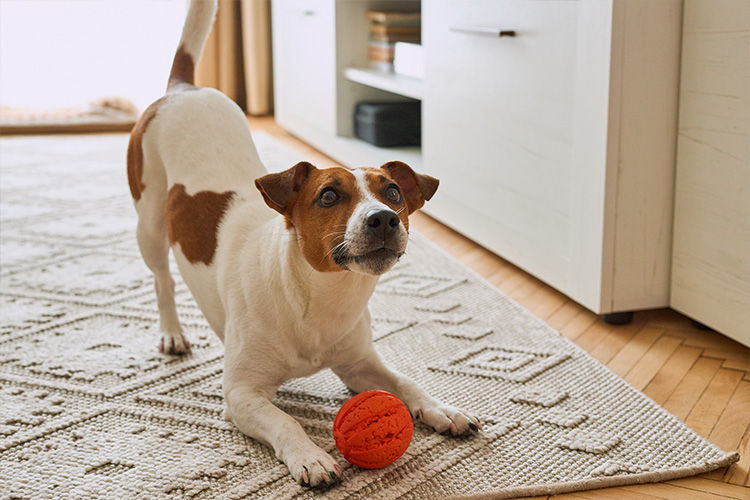
When a dog’s nails become overgrown, they start making contact with the ground earlier than they should.
That changes how the foot sits and how weight is distributed through the legs and joints. Instead of standing naturally on the paw pads, some dogs begin shifting their posture slightly to compensate for the extra nail length.
Over time, that can contribute to:
- Changes in gait or movement
- Reduced traction on smooth surfaces
- Extra pressure on joints
- General discomfort during walks or play
Some dogs show obvious signs, while others adjust quietly. Pet parents may notice slower movement, hesitation on slippery floors, or less enthusiasm during walks.
This is especially important for:
- Senior dogs
- Large breeds
- Dogs already dealing with mobility concerns
- Very active dogs spend more time outdoors
Even small changes in nail length can affect comfort more than many people expect.
Spring and Summer Activity Makes Nail Care More Important
As the weather improves in the St. Louis area, most dogs naturally become more active.
That means:
- Longer walks
- More time outside
- More running and playing
- More pressure on paws and joints
During the colder months, some dogs are naturally less active. By spring, that changes quickly, and nail issues that weren’t very noticeable in winter can suddenly become more obvious.
Many pet parents assume that outdoor activity alone will wear down nails enough, but that depends heavily on the dog and where they spend time. Dogs that walk primarily on grass, dirt, or softer surfaces may still need regular trims, even if they’re highly active.
Long Nails Can Affect Confidence Too
One thing people don’t always think about is how nail length affects confidence and stability.
Dogs with overgrown nails sometimes struggle more with:
- Hardwood floors
- Tile
- Stairs
- Smooth surfaces
If traction feels uncertain, some dogs become hesitant or cautious when moving around the house. Over time, this can change how willingly they jump, run, or move through certain spaces.
Keeping nails trimmed helps support more natural movement and better footing, especially for older pets.
Dewclaws Need Attention Too
Dewclaws are easy to overlook because they don’t always touch the ground naturally.
Without regular trimming, dewclaws can:
- Curl inward
- Catch on blankets or fabric
- Become uncomfortable or irritated
This is one reason routine nail checks matter, even if the other nails seem relatively short.
Nail Trims Are Easier When They’re Consistent
Many pet parents wait until nails become noticeably long before scheduling a trim, but regular maintenance is usually much easier on both the pet and the owner.
Keeping up with trims consistently helps:
- Maintain healthier nail length
- Reduce stress during appointments
- Make handling paws more familiar over time
For dogs nervous about nail trims, shorter, more frequent visits are often easier than waiting until nails grow very long.
It’s Not Just Dogs
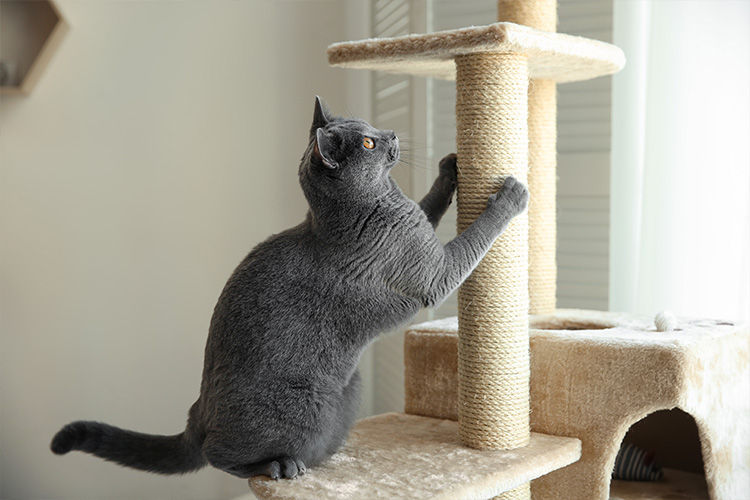
Nail care is important for cats, too, particularly indoor cats.
Because indoor cats don’t naturally wear their nails down the same way outdoor cats might, overgrowth can happen gradually over time.
Long nails in cats can lead to:
- Snagging on carpet or furniture
- Difficulty retracting nails comfortably
- Accidental scratching during play or handling
Regular trims help keep cats comfortable and can reduce wear and tear around the house too.
At The Healthy Pet House, many pet parents stop in for nail trims for both dogs and cats when groomers are available.
Signs Your Pet May Need a Nail Trim
Some signs are obvious. Others are more subtle.
You may notice:
- Nails clicking loudly on hard floors
- Nails touching the ground while standing
- Hesitation on slippery surfaces
- Licking or chewing at paws
- Changes in posture or movement
- Snagging on blankets or carpet
For some pets, especially seniors, even slight overgrowth can make movement feel less comfortable.
Grooming Is Part of Wellness
One thing we talk about often at The Healthy Pet House is that grooming is not just about appearance.
Services like nail trims, coat maintenance, teeth brushing, and de-shedding treatments all support comfort and day-to-day wellness.
Nail care is a good example of that. It’s a relatively small service, but it can have a noticeable impact on how a pet moves, stands, and feels.
That’s one reason many pet parents in Maplewood and the surrounding St. Louis area choose to keep nail trims as part of a regular routine instead of waiting until nails become overgrown.
Seasonal Routines Matter
Spring and summer are often when pet routines become more active and social again.
Dogs are:
- Walking more
- Visiting parks
- Spending more time outdoors
- Moving more throughout the day
Keeping nails maintained during these seasons helps support all of that activity comfortably.
For many pets, this time of year is also when grooming schedules become more consistent again after a slower winter season.
Walk-In Nail Trims and Grooming Support
If trimming nails at home feels stressful, you’re not alone.
Many dogs dislike having their paws handled, and many pet parents worry about accidentally trimming nails too short.
At The Healthy Pet House, groomers are available Monday through Saturday, and walk-in nail trims are available when groomers are in. Calling ahead is always a good idea to confirm availability.
For some pets, regular professional trims become much less stressful over time simply because the routine becomes familiar.
A Simple Part of Keeping Pets Comfortable
Nail care isn’t the flashiest part of pet wellness, but it’s one of those small things that can quietly affect comfort every single day.
A trim that takes just a few minutes can help support:
- Better movement
- Better traction
- More natural posture
- Greater comfort during walks and play
And as activity picks up during the warmer months in St. Louis, those small details matter even more.
If you’re unsure whether your pet’s nails are due for attention, stop by The Healthy Pet House in Maplewood. We’re always happy to help you figure out what makes sense for your pet’s routine and comfort.
Because pets are family too.
Nail Trimming FAQs
How often should dogs get nail trims?
It depends on the dog, but many need trims every few weeks. Active dogs may naturally wear nails down somewhat, but most still benefit from regular maintenance.
Can long nails affect how a dog walks?
Yes. Overgrown nails can change posture and movement by altering how the foot contacts the ground. Over time, this may contribute to discomfort or reduced traction.
Do indoor dogs still need nail trims?
Absolutely. Even active indoor dogs usually need regular trims, especially if they spend most of their time on softer surfaces.
Do cats need nail trims, too?
Yes. Indoor cats especially benefit from regular nail trims to help prevent snagging, overgrowth, and discomfort.
Are walk-in nail trims available at The Healthy Pet House?
Yes. Walk-in nail trims are available when groomers are in. Calling ahead is recommended to confirm availability.
What are the signs that my pet’s nails are too long?
Clicking on floors, changes in posture, hesitation on slippery surfaces, and nails touching the ground while standing are all common signs that it may be time for a trim.